
Inquiry
Inquiry cart car is empty.
In modern electronics testing and development, precise and highly controllable testing tools are essential for engineers. Whether in the design, testing, or production phase, three important pieces of equipment—programmable power supplies, electronic loads, and signal generators—play indispensable roles. They provide stable and accurate testing conditions for different application needs, ensuring the stability and performance of electronic devices.
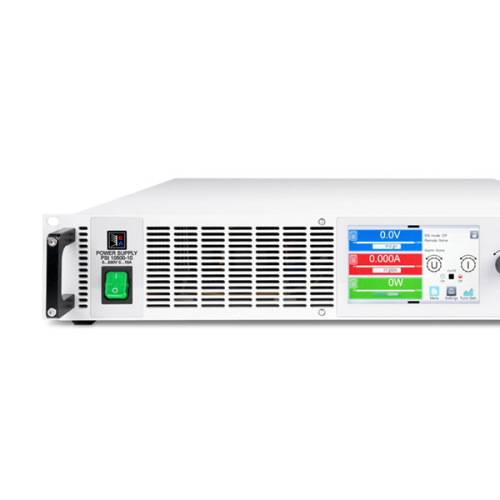
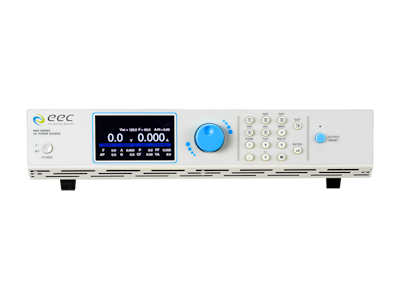
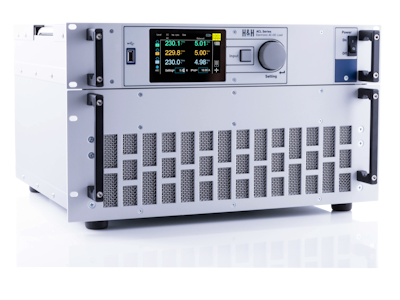
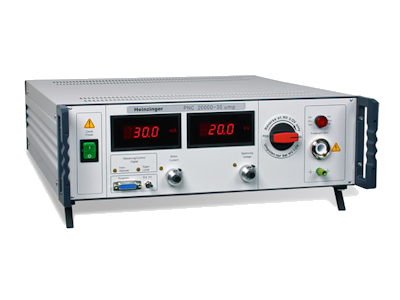
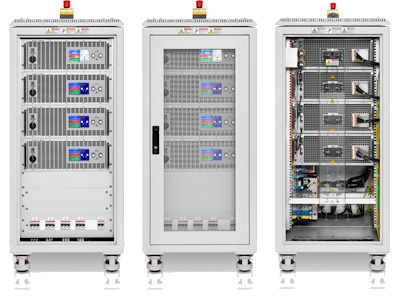
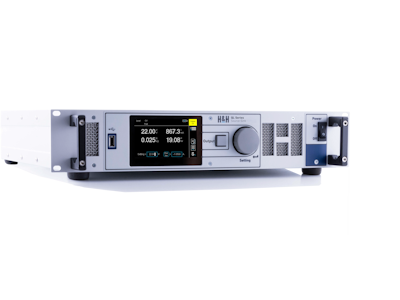
A programmable power supply is a power device that allows users to set output parameters according to requirements. The output voltage and current ranges can usually be adjusted precisely. Unlike ordinary fixed power supplies, programmable power supplies can be configured through user-end control interfaces, software commands, or remote control interfaces (such as USB, LAN, or GPIB) to achieve high-precision automated power supply. In some advanced applications, programmable power supplies can also simulate unstable power conditions, such as voltage fluctuations or surges, to test the fault tolerance and resilience of equipment.
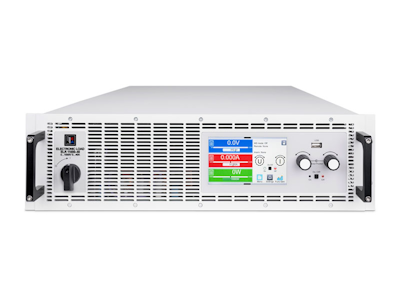
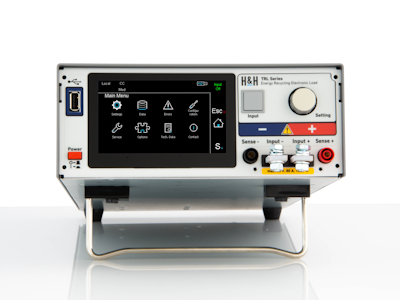
An electronic load is an important testing tool that complements programmable power supplies. It simulates real-world load conditions, absorbing power from the device under test (DUT) to evaluate its output capability and efficiency. Electronic loads come in various types, covering constant current (CC), constant voltage (CV), constant power (CP), and constant resistance (CR) modes, which can flexibly simulate various operating scenarios.
Electronic loads are widely used in testing power supplies, batteries, photovoltaic inverters, and other equipment. For example, in battery testing, an electronic load can simulate different discharge conditions through programmed control to test the battery's capacity, lifespan, and output stability. It also plays a crucial role in energy-related research and development.